Build Prototype Vehicles, Fast
Most prototype programs burn 80% of their budget on powertrain before validating a single design decision. A validated rolling chassis decouples body development from EV engineering. Mount your design on the platform and start testing in weeks.
This guide covers the technical architecture, integration points, and development timeline for building functional prototypes on the Olympus platform.
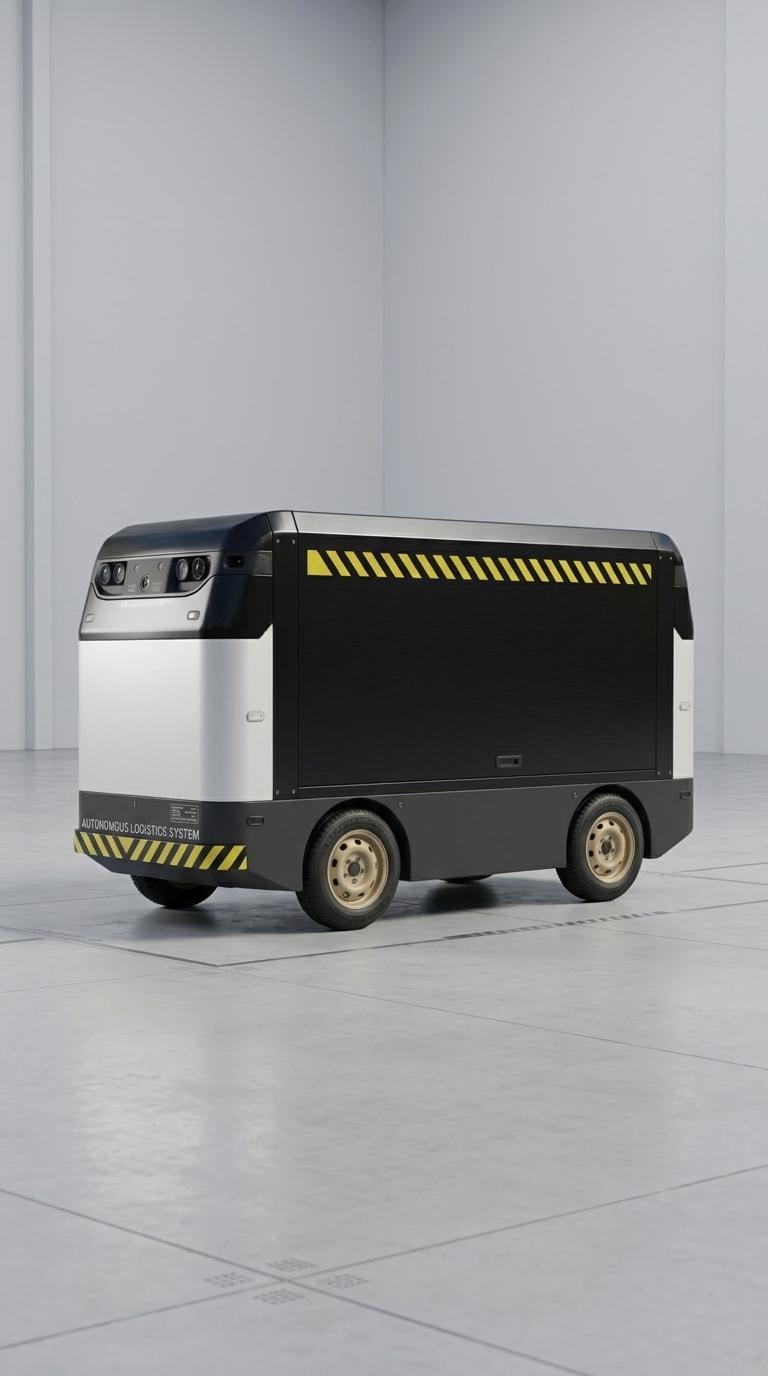
DEVELOPMENT BLUEPRINT
Building a prototype vehicle traditionally takes years and millions in development costs. Most of that time goes into powertrain engineering, not the actual vehicle design you want to test. A ready-to-drive platform changes this equation completely.
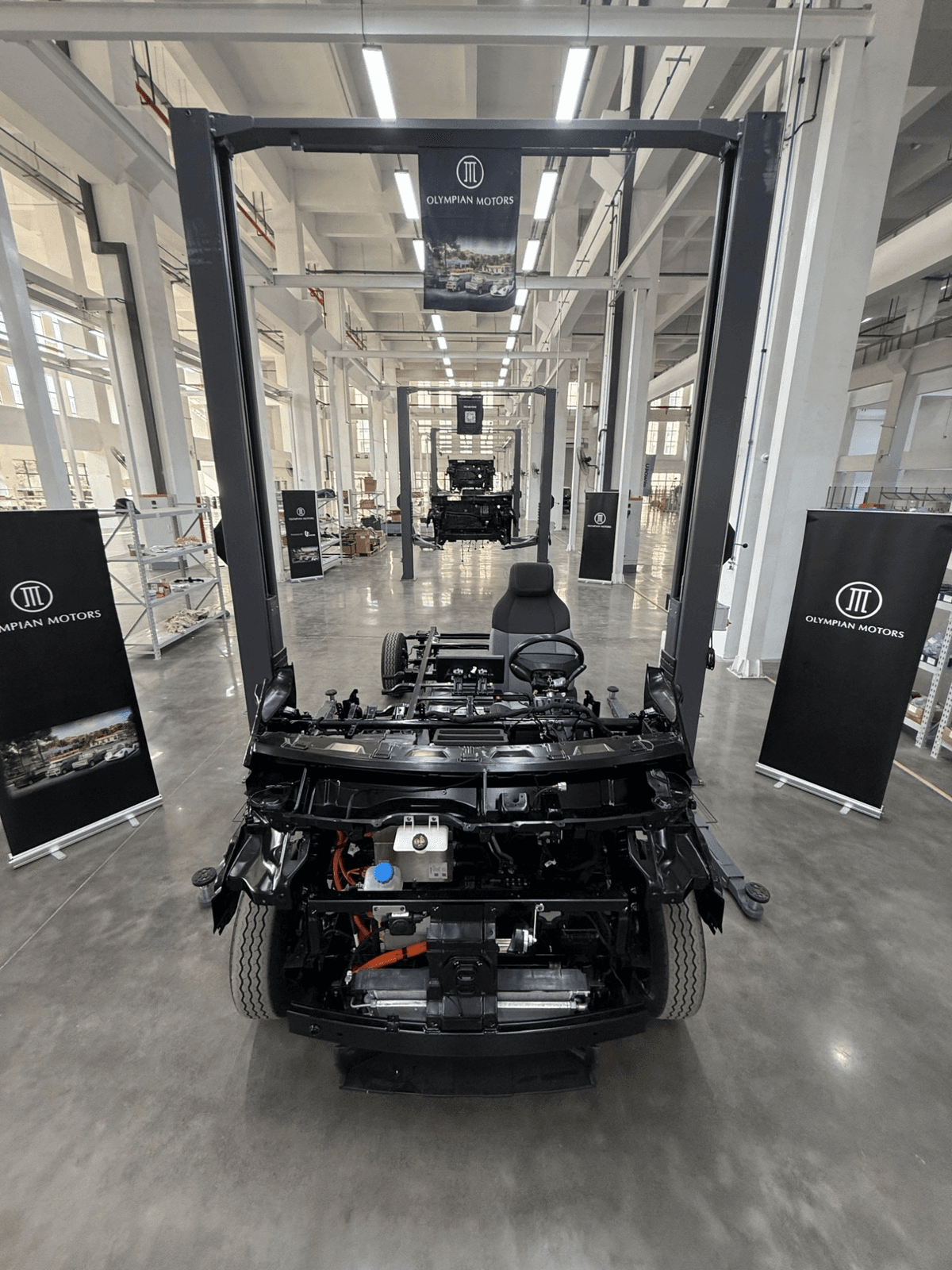
Olympus EV Skateboard Kit v3.0
Every platform is built, tested, and shipped from our California production facility in Irvine. Assembled in-house with full quality control. Ready to drive on delivery.
Why Prototyping Speed Matters
The automotive industry moves fast. A prototype that takes three years to build faces a market that has already moved on. Investors want to see working hardware, not renderings. Customers want to sit in real vehicles, not virtual ones.
Speed in prototyping is not just about being first. It is about learning faster. Every week your prototype runs, you gather real-world data. You discover problems that simulations miss. You validate assumptions that looked good on paper but fail in practice.
$1-15M
Concept vehicle development cost
80-90%
Faster development timeline
6-24
Months to rolling prototype
Critical Decision Factors
What separates successful prototypes from failed projects
Quality
Production-grade components that validate your design with real-world performance data
Safety
Fully tested safety systems let your team focus on iteration, not liability concerns
Warranty
Platform coverage protects your development budget from unexpected powertrain issues
Modularity
Quickly swap body configurations to test multiple designs on a single platform
Olympus EV Platform Review by Eren, CEO of Olympian Motors
Get an in-depth look at the Olympus EV Platform directly from Eren, CEO of Olympian Motors. In this review, he walks through the platform's capabilities, engineering decisions, and how it enables rapid prototype development. See the platform in person at our Irvine R&D facility — book a test drive here.
The Traditional Approach
The traditional approach is capital intensive.
Large corporations run vehicle development programs with $10 to $40 million budgets, dedicated engineering teams, and multi-year timelines.
Building a prototype vehicle from scratch requires solving every problem simultaneously: battery pack design, motor selection and integration, thermal management, vehicle control software, safety systems, and charging infrastructure.
Each component requires specialized engineering that most teams do not have.
For startups and small businesses, building affordable and reliable electric vehicles is even more difficult. If not impossible.
Today, we see startups relying on salvage Tesla parts, unreliable aftermarket battery and motor components, and trying to reverse engineer vehicle systems without proper documentation or safety validation.
The result is that prototype programs spend 80% of their budget on powertrain development before they ever validate their actual product idea.
By the time the vehicle runs, the company has burned through most of its runway.
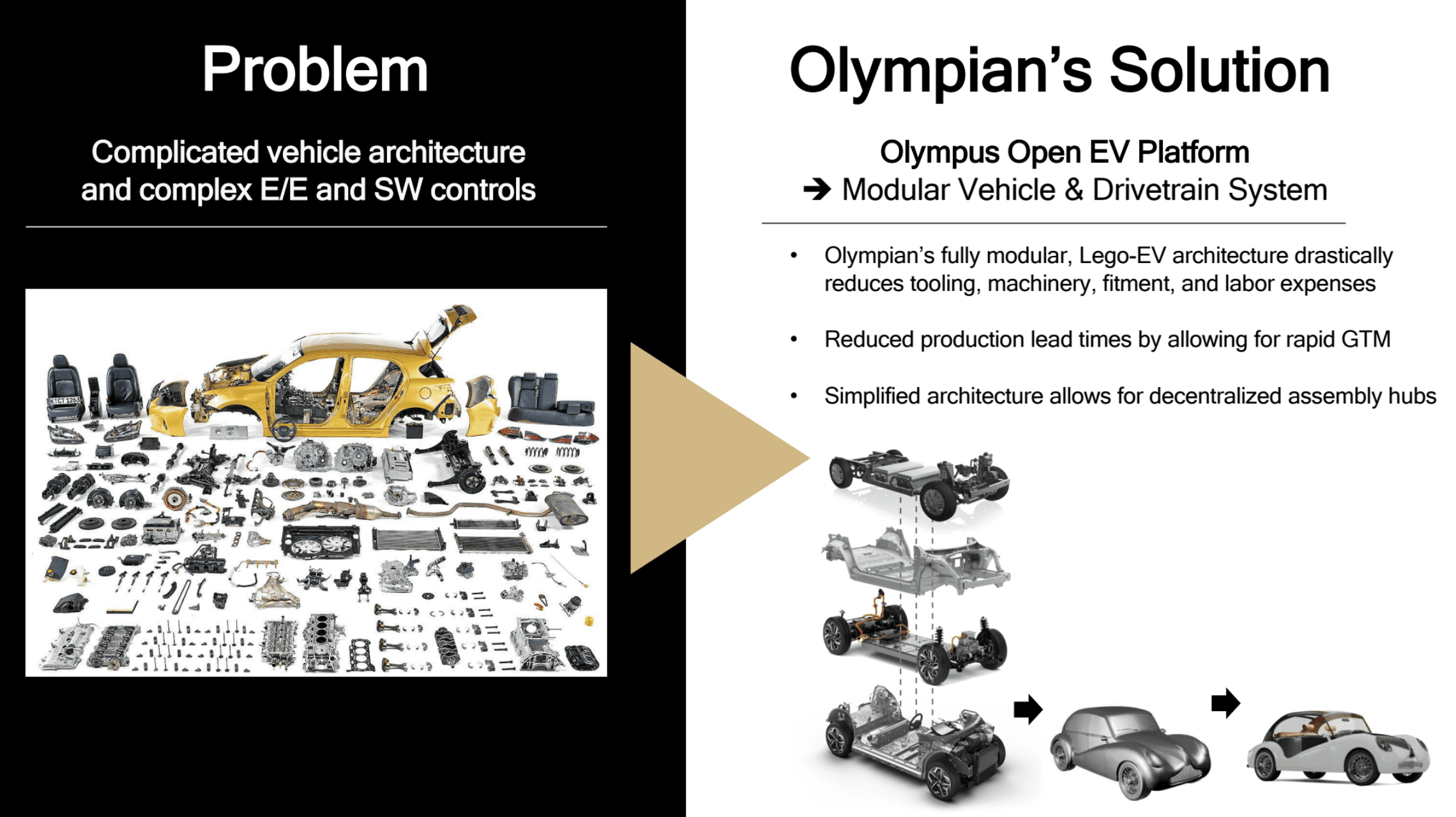
The New Olympus Platform Approach: Safer, Affordable and Scalable
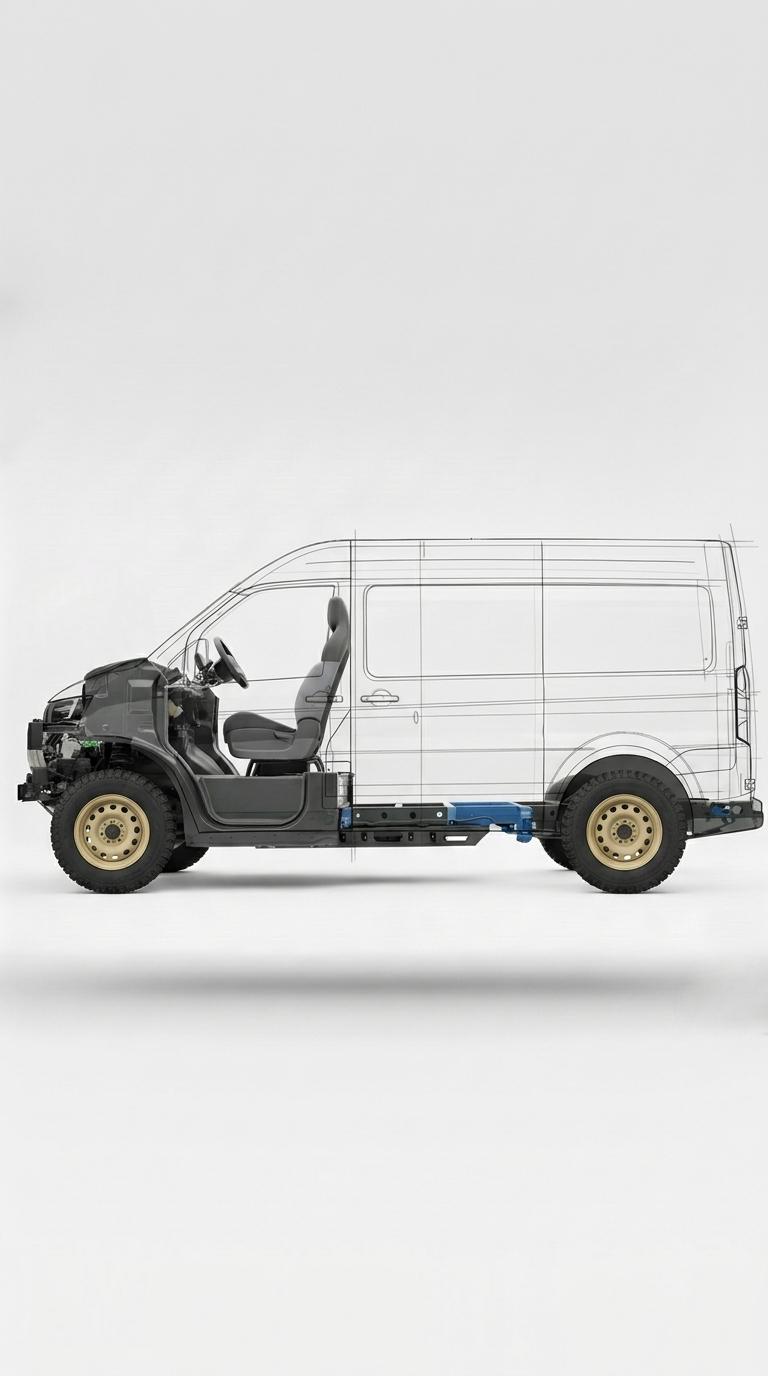
The new Olympus Platform provides a next generation solution for modern, safe vehicle development. A ready-to-drive platform inverts the traditional approach. The powertrain arrives complete, tested, and functional. You drive it on day one. Your entire engineering effort goes into the body and features that differentiate your vehicle.
The platform includes cloud connectivity, T-box telematics, Bluetooth integration, steer-by-wire, and drive-by-wire systems. Configurable chassis dimensions with adjustable length and wheelbase to fit your specific design requirements. Flexible battery options from 42 to 72 kWh depending on your range and payload needs.
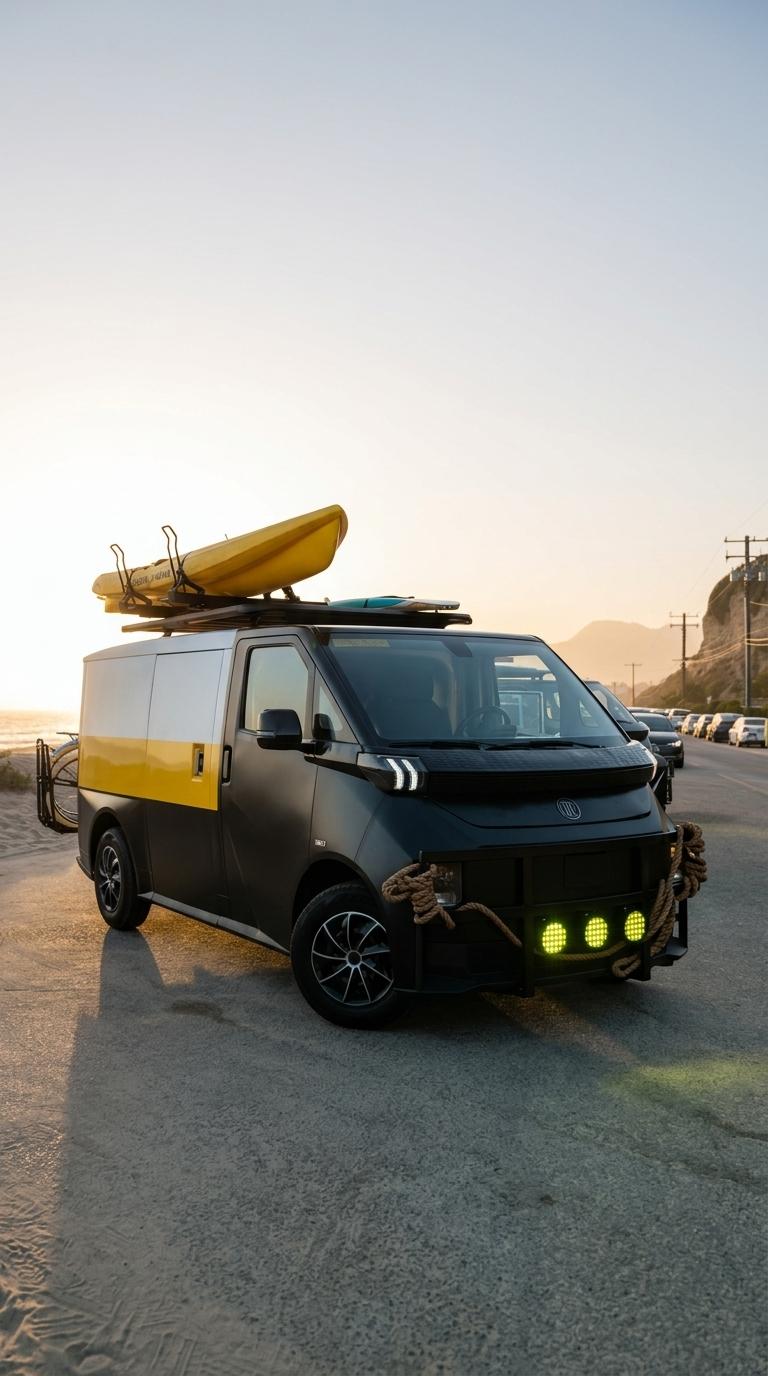
We accelerate prototype development time from painful years to a few months, if not weeks. Mount your body design on top and you have a functional prototype ready for validation, investor demonstrations, or customer testing. The same platform that powers your prototype can scale to production. No redesign required when you move from one vehicle to one hundred.
WHAT YOU GET DAY ONE
Drivable Platform
Steer-by-wire, drive-by-wire, stops immediately
Flexible Battery Options
42-72 kWh, charged and validated
Cloud & Telematics
T-box, Bluetooth, vehicle computer, display
Configurable Chassis
Adjustable length and wheelbase dimensions
Charging Ready
Level 2 and DC fast charging
Complete Controls
Drive-by-wire systems, vehicle ECU

Who Benefits from Fast Prototyping
Startups
Limited runway means every month counts. A ready to drive platform lets you validate your concept and raise your next round before competitors even have a rolling prototype.
Corporate R&D
Test new concepts without committing internal engineering resources. Validate ideas quickly before deciding on full development programs.
Commercial/Industrial Builders
Fleet operators, delivery services, and industrial vehicle manufacturers who need purpose built electric platforms for specialized applications.
Concept Vehicle Creators
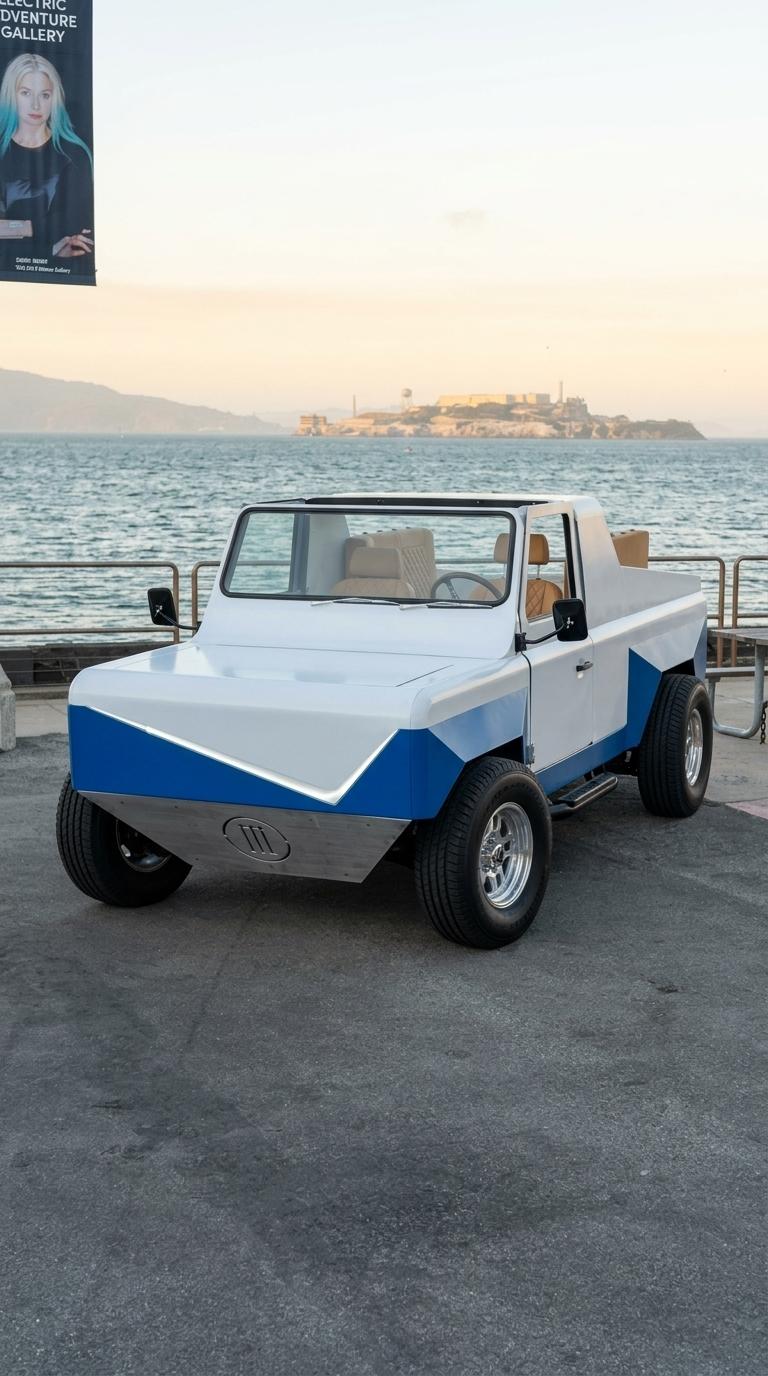
One off builds for film and cinema, art installations, science exhibits, engineering showcases, and experiential marketing activations.
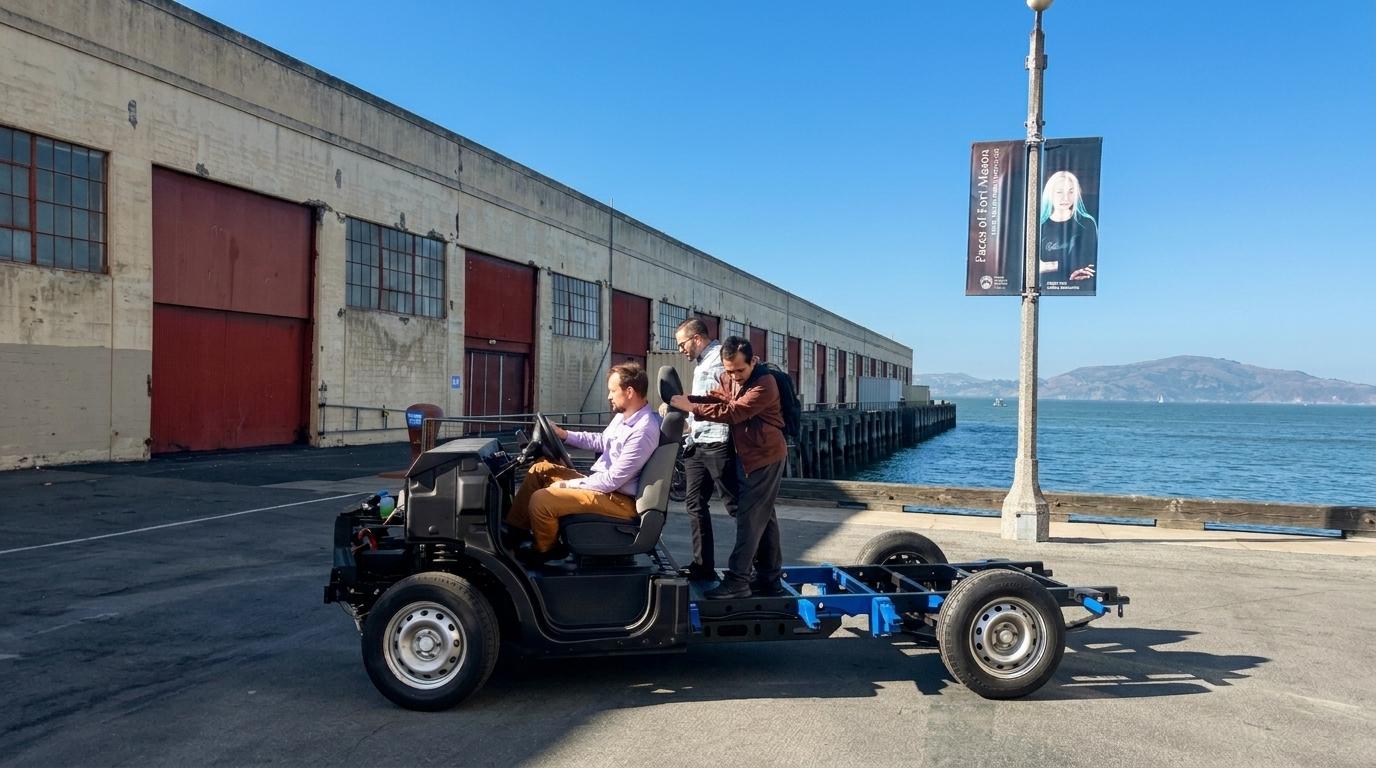
The platform ships fully assembled and tested. Battery pack, drive unit, suspension, brakes, steering, and vehicle controls are integrated and calibrated. Connect your body, run system checks, and start driving.

“We went from napkin sketch to driving investors around in 4 months.”
— Early platform customer, now in production with 4 vehicles
Frequently Asked Questions
01How fast can I get a prototype vehicle running?+
02What body styles work with the platform?+
03Can the prototype be used for investor demonstrations?+
04Is this just for prototypes or can it scale to production?+
05Can I modify the platform software for custom vehicle behavior?+
06What documentation and technical support is included?+
07How do I integrate sensors or autonomous driving systems?+
Build Your Prototype Vehicle
Stop spending years on powertrain development. Get a ready-to-drive platform and focus on what makes your vehicle unique.
OR CHOOSE ANOTHER PATH